
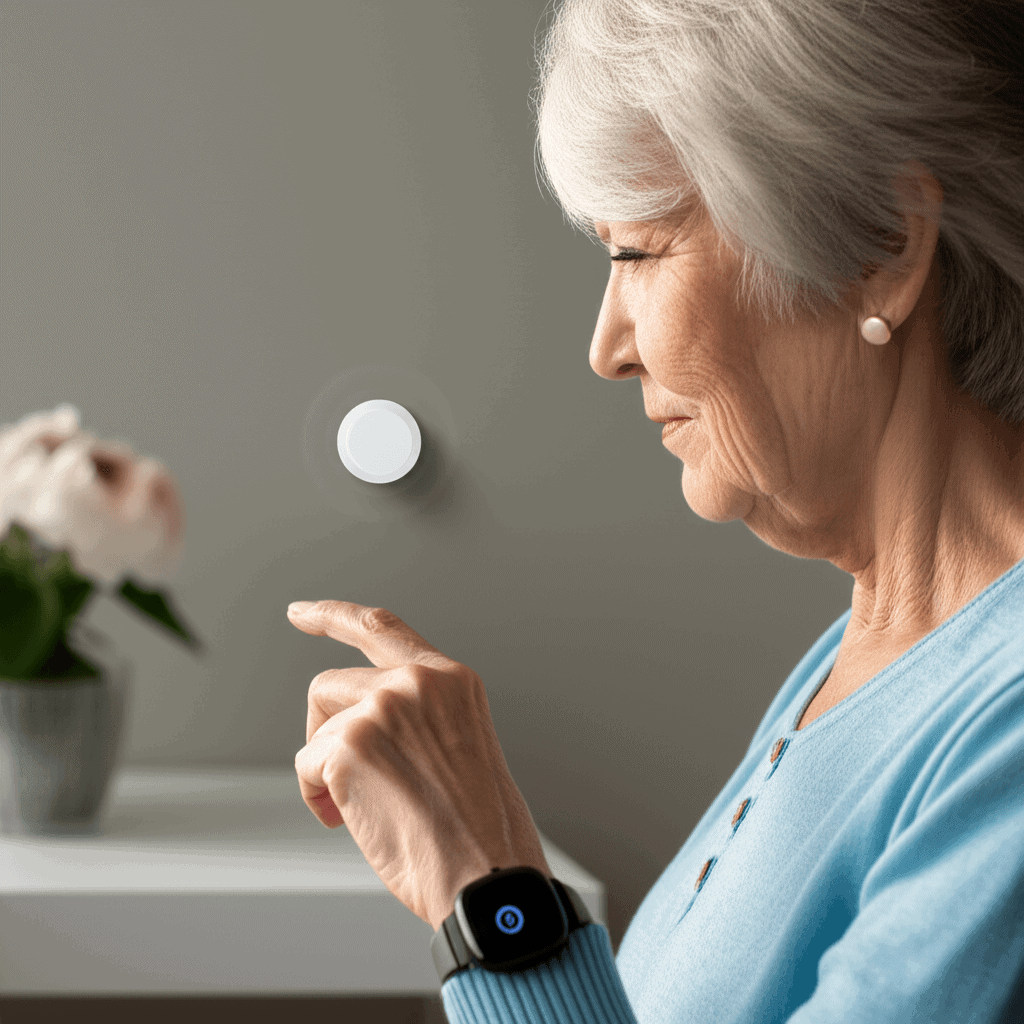
Nandbox on AI Emergency Alert Systems for Senior Safety
Seniors and their families face a tough choice between staying independent and staying safe. New AI emergency alert systems change everything by detecting falls, sudden health issues, and odd behavior without watching seniors all the time. Imagine gadgets like quiet bodyguards, only sending alerts when real trouble happens. By 2025, these tools will reshape how seniors stay safe, offering more freedom and peace of mind. Choosing the right device can mean the difference between fast help and a scary emergency. Curious how smart tech can keep loved ones safe and free longer? Keep reading, because this might be the game changer for safety worries.
Read on for practical examples, technology details, privacy considerations, and action steps you can take today. The goal is to provide clear guidance so decision makers can choose systems that fit lifestyle, budget, and comfort with technology.
Nandbox on AI Emergency Alert Systems for Senior Safety in 2025
The term in this heading names a specific vendor and the broader topic of intelligent alerts for elders. In 2025 these systems combine motion sensors, wearables, voice analysis, and pattern detection to identify risks and notify contacts. One place to find vendor summaries and case examples is Nandbox which lists product features and real user stories for comparison.
How AI driven emergency alert systems work for seniors
At a basic level these systems collect data from one or more points and apply models that decide if an incident warrants an alert. Common inputs include motion detectors, smart home sensors, wearable vitals monitors, and sound monitors. The models track normal routines then flag deviations such as a long period of inactivity, repeated calls, or an abrupt drop in heart rate.
- Sensor fusion combines signals from multiple devices so a single anomaly does not trigger false alarms
- Local processing filters out benign events before sending an alert
- Escalation rules route notifications to family, neighbors, or emergency services based on severity
Benefits for senior safety at home and in the community
Families report several clear benefits from intelligent alert systems. Reduced response times can prevent minor events from becoming medical emergencies. Systems that learn a person’s daily patterns tend to lower false positives which keeps trust high and reduces alarm fatigue.
- Quicker triage when an event occurs leading to faster help
- Continuous passive monitoring that does not require the senior to press a button
- Customizable contact chains so neighbors or local helpers can be alerted before emergency services
Example case study summary. A retired teacher living alone had a fall in her kitchen. A home sensor detected prolonged inactivity and a change in kitchen motion patterns. The system sent an alert to two family members and a neighbor. Help arrived within 12 minutes. Without the alert the event may not have been discovered until much later.
Key features to evaluate in 2025
When comparing platforms focus on reliability, ease of use, and the system’s approach to accuracy. Below are features that matter most for senior safety.
- Multi sensor support for covering bedrooms, bathrooms, and common areas
- Wearable fallback for times when a person is away from home
- Clear escalation rules that match the family’s comfort with risk
- Battery backup for power outages and offline modes for network interruptions
- Transparent event logs so caregivers can review alerts and responses
Sensor types and placement tips
Place motion sensors near entryways and in bathrooms where slips are most likely. Bed occupancy sensors provide data about night time routines and can detect a missed morning rise. Wearables should be worn on the wrist and charged overnight. For seniors who dislike wearables consider small discreet pendants that clip to clothing.
False positive management
Good systems let families set sensitivity levels and add trusted visitor profiles. For example, if a caregiver visits each morning the system can temporarily ignore activity during that window. When a false positive does occur, an easy one button cancel reply prevents unnecessary escalation and trains the system.
Privacy, security, and ethical considerations
Privacy concerns are common when monitoring moves beyond a single button. Vendors differ in how they store and share data. Choose solutions that limit raw data transfer and share only event summaries when possible. Check data retention policies and who has access to logs.
- Local processing keeps sensitive audio or video on site unless an alert is raised
- Encryption of data in transit and at rest reduces the risk of leaks
- Granular sharing controls allow seniors to approve who sees alerts and histories
Consent and dignity
Talk with the senior about what will be monitored and why. Some people accept motion sensing in the hall but refuse cameras in private rooms. Offer options to pause monitoring for specific periods to preserve dignity during personal care visits.
Legal compliance
Confirm the vendor follows local privacy laws and medical device rules where applicable. In some regions a device that makes health claims may require certification. A straightforward question to ask vendors is which regulations they follow and where their servers are located.
Real world examples and use cases
Use cases vary from independent seniors to assisted living communities. Here are a few scenarios that illustrate how systems are used in daily life.
- Independent senior at home with remote family members monitoring routines and receiving alerts for missed meals
- Couple where one partner has early cognitive decline and the system flags wandering risk at night
- Small assisted living facility using building sensors to centralize alerts for staff across multiple residents
Example usage pattern. A husband checks his wife’s overnight activity log each morning and calls if the pattern looks different. If a day shows no activity in the kitchen by noon the system sends a reminder alert plus a notification to a listed neighbor. This tiered approach prevents panic while maintaining a safety net.
Implementation tips for families and caregivers
Start with a short pilot covering the most risky areas such as bathroom and bedroom. Keep the system simple at first and expand coverage as comfort rises. Below are practical tips to reduce friction during rollout.
- Start with one sensor type and one wearable to avoid overwhelming the senior
- Schedule training sessions where family members and the senior practice responding to a test alert
- Set up a primary and secondary contact so the first responder is not always the same person
- Monitor battery levels and network status weekly to prevent silent failures
Choosing a caregiver chain
Create a response plan that lists contacts in order of proximity. Include neighbors who are willing to check in, daytime caregivers, and emergency services. Keep contact information current and use an alert system that supports multiple contact types such as phone, text, and app notifications.
Training the senior
Explain what an alert means and how the senior can cancel a false alarm. Demonstrate charging routines for wearables and show how to check battery status. Clear, repetitive training reduces frustration and improves cooperation.
Costs and coverage considerations
Pricing models vary from one time hardware purchases with monthly monitoring fees to subscription bundles that include hardware. When evaluating total cost factor in installation, replacement sensors, cellular backup, and any professional monitoring fees. A rough price range in 2025 spans low tier do it yourself kits to full service models that include assisted living style backups.
- DIY home kits are cost effective for tech comfortable families
- Managed services reduce hands on work but add monthly fees
- Look for trial periods and money back guarantees to test fit with routines
Coverage area matters when the senior spends time outside the home. Systems that integrate with wearables and cellular networks can provide away from home protection. Confirm roaming limits and battery life in portable devices.
Questions to ask vendors and what to test during trial
Before committing ask vendors about sensor types, false alarm rates, data retention, and emergency escalation flow. During a trial test common scenarios such as a simulated fall, loss of Wi Fi, and a canceled alert to see how the system behaves in real conditions.
- How quickly are alerts delivered under normal network conditions
- What happens if the senior is offline from the internet
- Can sensitivity be changed without reinstalling hardware
Also ask for references from families that match your household profile. A company that serves memory care facilities will have different best practices than one focused on single home monitoring.
Wrapping up families and professionals who bring clarity to selection and testing will find systems that match comfort level and budget. The technology now offers a range of choices that balance independence and safety while minimizing intrusiveness.
Conclusion
Intelligent emergency alert systems in 2025 present a practical path to improved safety for seniors while preserving day to day independence. By combining sensors, wearables, and pattern based alerts families can reduce response times and lower the chance of small incidents becoming major health events. When choosing a system focus on features that matter most including clear escalation rules, local processing to limit unnecessary data sharing, and options that match the senior’s tolerance for monitoring. Run a short pilot covering the most critical rooms, train everyone involved on alert response, and create a simple caregiver chain so notifications reach a nearby helper first. Privacy and consent are central considerations so have an open conversation about which spaces will be monitored and how long logs are kept. Take advantage of trial periods to test sensitivity settings, battery life, and real world coverage. If you are ready to compare providers and read user stories consider visiting the vendor pages and documentation available from leading companies as a next step. A small investment of time now can lead to fewer emergencies later. Start by making a prioritized checklist of needs, schedule a demonstration, and pick a solution that fits daily life. Remember to involve the senior in every decision and adjust settings as trust grows.

Related Posts

Empower Your Understanding of Amanita Muscaria Today

Plumbing Myths Debunked
